
How to Choose a Wooden Playhouse: Timber, Mould Protection and Base Preparation


A wooden playhouse is a big purchase, and the difference between one that looks good for a couple of summers and one that lasts for many years comes down to a few details. Whether you are looking at a bespoke playhouse or a traditional Wendy house, here is what to check before you buy: the timber, the paint, and the base it stands on.
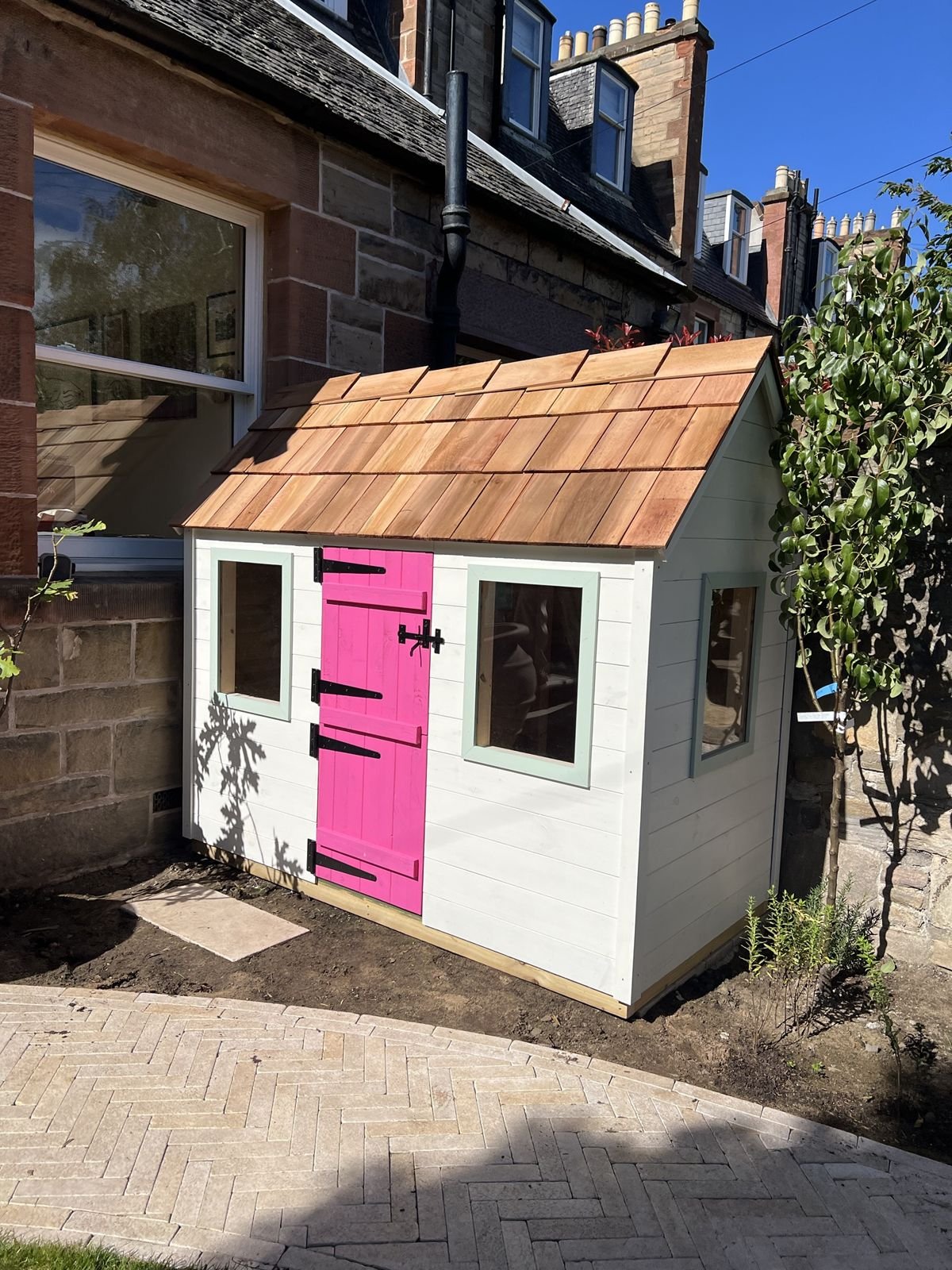
1. Check the timber: treated, certified wood
British weather is damp, and untreated wood absorbs moisture, which leads to rot, warping and mould. When you buy a playhouse, make sure it is made from treated timber.
It is also worth asking where the wood comes from. FSC-certified timber comes from sources that are licensed and responsibly managed, so you know exactly what your child is playing in.
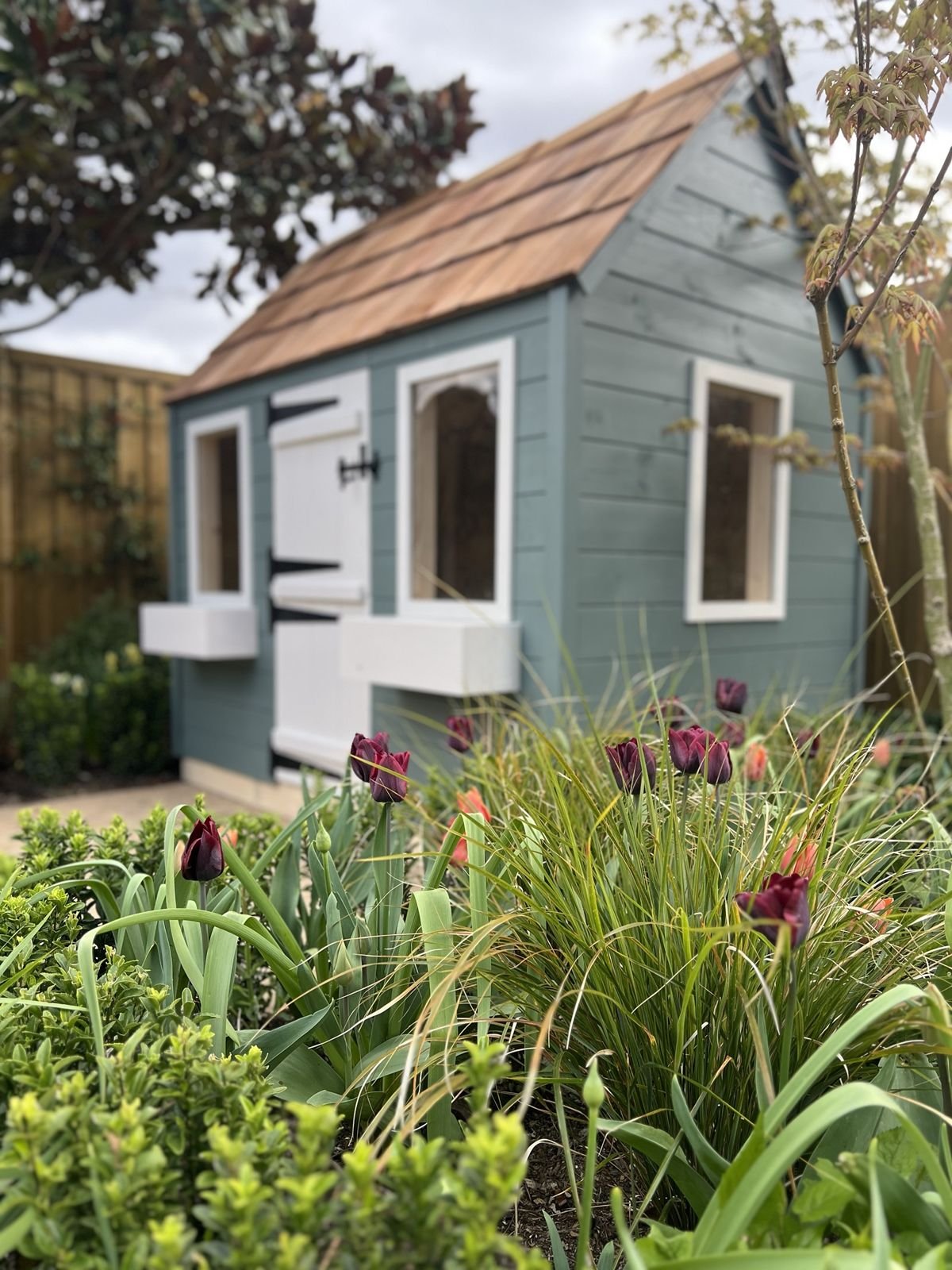
2. Paint it inside and out to protect against damp and mould
A good playhouse should be painted, not just left as bare wood. A weatherproof paint finish on the outside protects the boards from rain. Painting the inside as well matters just as much, because it seals the wood and makes it much harder for damp and mould to take hold in a small, enclosed space.
To keep it in good condition, give the playhouse an anti-mould treatment once a year. A yearly spray of mould and algae control on the outside, and a quick check of corners and the roof line, is usually all it needs.
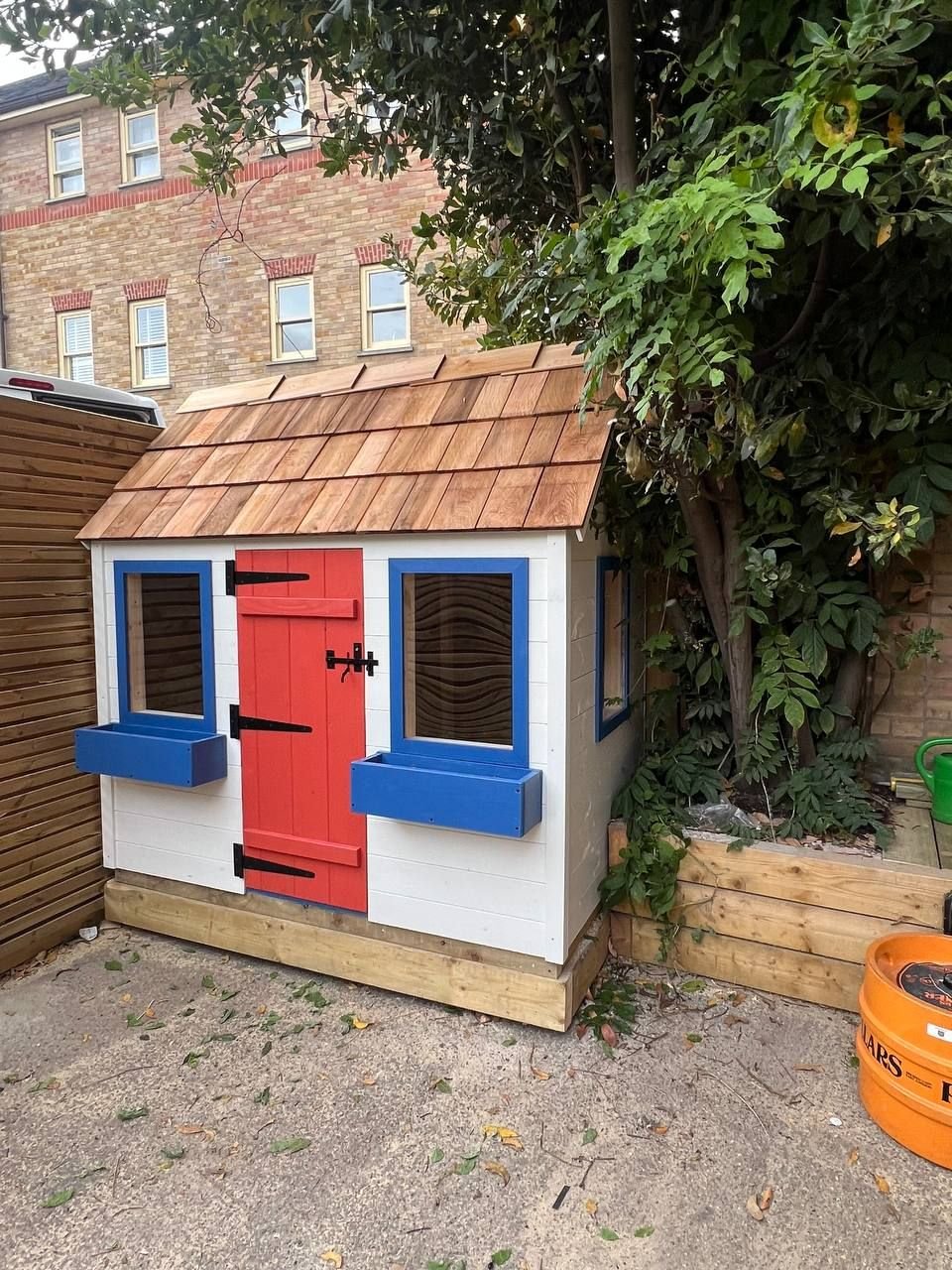
3. Prepare the base: how to prepare the ground for a playhouse
Even the best-built playhouse will not last on soft, uneven ground. A flat, firm and well-drained base keeps the timber off the damp soil, stops the floor from twisting and keeps the doors closing properly. There are several common ways to prepare the ground:
- Concrete base: a poured concrete slab is the most solid and permanent option.
- Paving slabs: slabs laid on a compacted sub-base give a flat, firm surface and are a popular, tidy choice.
- Compacted hardcore or gravel base: a layer of crushed stone, such as MOT Type 1, compacted level with a gravel or membrane layer on top.
- Timber base frame: a treated timber frame set level on blocks or pads, raising the floor off the ground.
- Concrete pads or blocks: separate pads at the corners, set level, for sloping gardens or lighter bases.
- Plastic ground grid base: an interlocking grid filled with gravel, which drains well and is quick to lay.
Whichever method you choose, the key points are the same: level it carefully, make sure water can drain away, and keep the timber clear of the soil. If you are not sure which base suits your garden, send us a photo and we will advise.
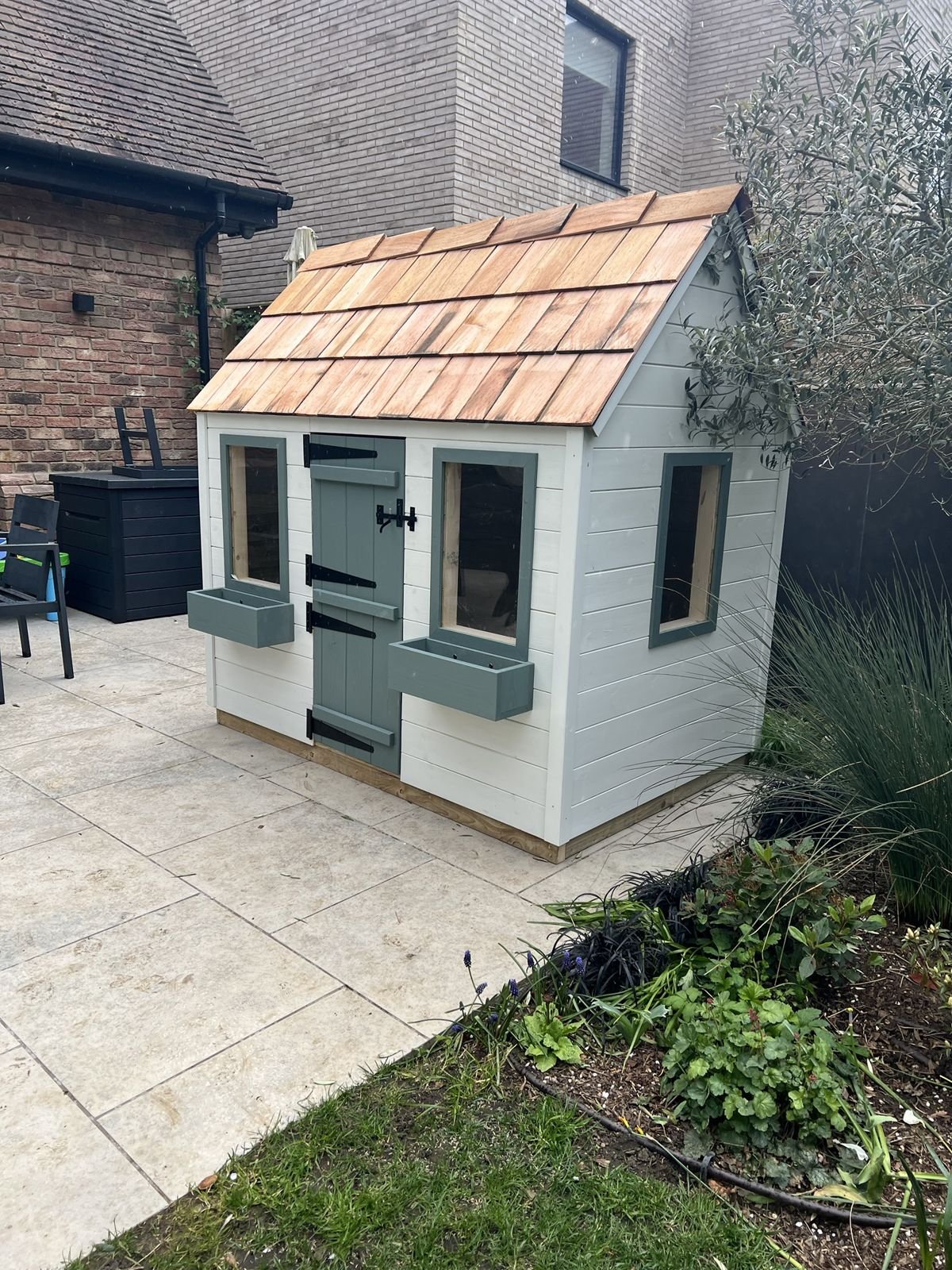
A strong, durable playhouse that lasts for years
Put these three things together (treated and certified timber, a painted finish and a proper base) and a wooden playhouse becomes a long-term feature of your garden. Our playhouses are built with a solid, sturdy structure so they can be enjoyed for many years, often by one child and then the next.
More than a playhouse: a garden shed and outdoor storage
Because the structure is so solid, a playhouse does not have to stop being useful when the children grow up. Many families later use theirs as a garden shed, a garden storage building for tools, bikes and toys, or a small outdoor storage shed.
- While they are young: a playhouse, a pretend shop, cafe or den.
- As they grow: a hideout, a reading nook or a place to play with friends.
- Later on: a garden shed, storage for garden furniture and tools, or a hobby space.
Handmade to order in the UK
Every Artisan Deco playhouse is handmade and built to order, so the colours, layout and extras can be matched to your garden. See our customisable wooden playhouse or browse all our bespoke playhouses and Wendy houses.
Not sure what would suit your garden? Message us on WhatsApp for a free quote and we will help you plan it.